
If you only watch three dark academia movies, start with Dead Poets Society (1989), The Holdovers (2023), and The Talented Mr. Ripley (1999). Together they give you the whole mood: poetry and prep school, lonely teachers and students, and beautiful privilege turning dangerous.
New to the aesthetic? This guide is not a ranked countdown. It is a roadmap by mood, so you can pick the right film for tonight instead of scrolling for an hour.
Want the warm, bookish feeling? Go to the starters. Want obsession, secret societies, and moral rot? Skip ahead to the darker picks at the end.

What Actually Counts as Dark Academia on Screen?
It is not just a school in the background. A true dark academia film makes learning feel intense, private, and slightly risky.
Look for old libraries, boarding schools, or universities. Then look for the second ingredient: young people who take books, art, or friendship far too seriously.
The palette helps too. Expect tweed, rain, wood panelling, candlelight, and autumn leaves. If it looks cosy but ends sadly, you are probably in the right place.
If you love the reading side as much as the films, pair this list with our guide to dark academia books that defined the aesthetic and build a proper weekend around both.

Start Here: The Three Essentials
Start here if you have seen none of these before. These three are welcoming, rewatchable, and explain why people keep coming back to this genre every autumn.
Dead Poets Society (1989) — Directed by Peter Weir
Robin Williams plays John Keating, an English teacher at strict Welton Academy in 1959 who urges his boys to read poetry like it matters.
With Robert Sean Leonard and a young Ethan Hawke, it is moving without being heavy-handed. Watch this first if you want the emotional core of the genre.
The Holdovers (2023) — Directed by Alexander Payne
Paul Giamatti is a prickly classics teacher stuck on campus over Christmas 1970 with one stranded student, played by Dominic Sessa, and the school cook, played by Da’Vine Joy Randolph.
It is funny, snowy, and quietly heartbreaking. Perfect if you want dark academia with warmth instead of cruelty.

Good Will Hunting (1997) — Directed by Gus Van Sant
Matt Damon plays Will, a janitor at MIT who secretly solves impossible maths problems. Robin Williams plays the therapist who finally gets through to him.
There is no gothic mansion here, just Boston in autumn and big conversations about talent and fear. Best for viewers who prefer realism to costume drama.
For the Love of Teachers, Mentors, and Classrooms
This is the gentlest shelf in the library. These films are about people who teach, people who resist being taught, and the rooms where both happen.
The History Boys (2006) — Directed by Nicholas Hytner
A group of sharp Yorkshire schoolboys prepare for Oxford and Cambridge entrance, caught between three teachers with very different ideas about education.
Richard Griffiths leads a superb cast. It is witty and talky in the best way, ideal if you love debate more than plot twists.

Mona Lisa Smile (2003) — Directed by Mike Newell
Julia Roberts plays Katherine Watson, an art history teacher who arrives at Wellesley College in 1953 and challenges her students to want more than marriage.
The campus styling is gorgeous, but the point is sharper than the cardigans suggest. A good pick for a thoughtful Sunday afternoon.
Finding Forrester (2000) — Directed by Gus Van Sant
Rob Brown plays Jamal, a talented young writer from the Bronx. Sean Connery plays the reclusive novelist who becomes his unlikely mentor.
It is a quiet film about drafts, trust, and who gets believed. Writers and diary-keepers tend to love this one most.

The Emperor’s Club (2002) — Directed by Michael Hoffman
Kevin Kline plays a classics teacher at an elite prep school who tries to teach character through ancient Rome, and meets a student who tests every principle he has.
Old-fashioned in tone and proud of it. Choose this when you want Latin, honour codes, and a slow, earnest story.
Maurice (1987) — Directed by James Ivory
James Wilby and Hugh Grant star in this adaptation of E. M. Forster’s novel, set at Cambridge before the First World War.
It is tender, restrained, and beautifully filmed, about love that has to stay hidden. Best for viewers who like period romance with real ache underneath.

When You Want Literary Heartbreak
Some nights call for a beautiful setting and a story that quietly ruins you. These two deliver that, in very different centuries.
Atonement (2007) — Directed by Joe Wright
Keira Knightley and James McAvoy play lovers separated after a young girl, played by Saoirse Ronan, tells a lie she does not understand.
From a 1930s country house to Dunkirk, every frame looks painted. Keep this for when you are ready for a proper cry.

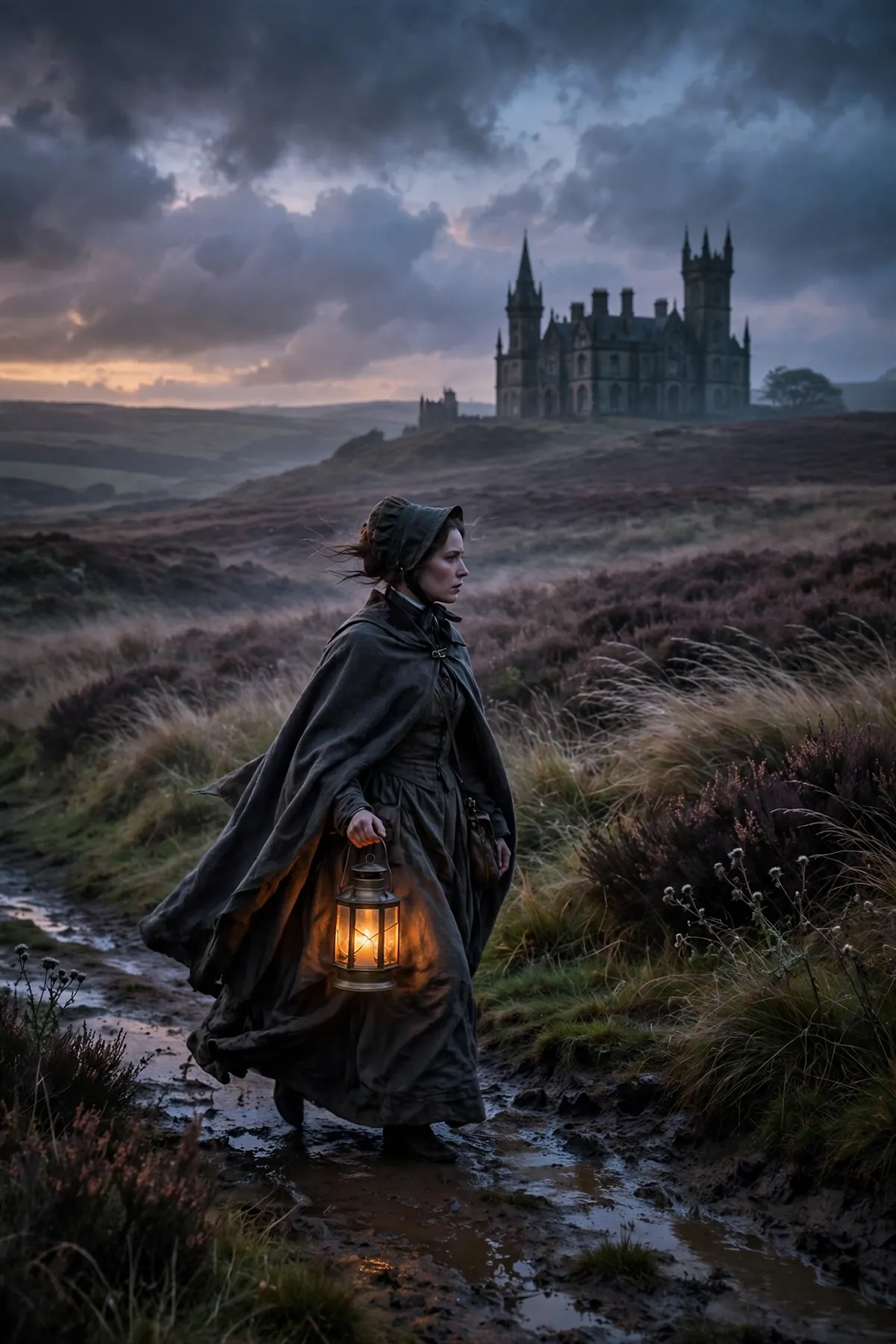
Jane Eyre (2011) — Directed by Cary Fukunaga
Mia Wasikowska plays Jane and Michael Fassbender plays Mr Rochester in Charlotte Brontë’s story of a governess in a house full of secrets.
Wind, moors, and candlelit corridors do a lot of the work here. It is the most gothic romance on this list, and one of the most faithful in spirit.
Beautiful, Privileged, and Rotten
Here the blazers stay immaculate while the behaviour gets worse. If you like stories about wanting wealth too much, start in this section.
The Talented Mr. Ripley (1999) — Directed by Anthony Minghella
Matt Damon plays Tom Ripley, sent to Italy to fetch a rich man’s son, played by Jude Law. Gwyneth Paltrow also stars.
Sunlit terraces, jazz, and perfect tailoring hide a cold thriller about envy. This is the essential bridge between pretty and disturbing.

The outfits in this section alone explain half the aesthetic. For the wearable version, see our breakdown of how to dress like dark academia without looking like you are in costume.
The Riot Club (2014) — Directed by Lone Scherfig
Sam Claflin and Max Irons play Oxford freshmen drawn into an elite dining club where a private dinner spirals into cruelty.
It is uncomfortable by design, and much less romantic than it first looks. Watch it when you want the critique, not just the aesthetic.

Saltburn (2023) — Directed by Emerald Fennell
Barry Keoghan plays Oliver, a scholarship student at Oxford who is invited to the vast family estate of his friend Felix, played by Jacob Elordi.
Glossy, provocative, and deliberately divisive. Save it until you have seen Ripley first, so you can feel how the same idea has mutated.

Poets, Rebels, and Beautiful Obsession
Energy changes here. These films are younger, messier, and more in love with art, cinema, and each other than with any institution.
Kill Your Darlings (2013) — Directed by John Krokidas
Daniel Radcliffe plays a young Allen Ginsberg at Columbia in 1944, falling in with Lucien Carr, played by Dane DeHaan, and the early Beats.
Poetry, jazz, obsession, and a real-life killing bind the group together. This is the best entry point if you came here from literature, not fashion.

Rushmore (1998) — Directed by Wes Anderson
Jason Schwartzman plays Max Fischer, a scholarship student who joins every club at Rushmore Academy and excels at none of his classes.
Bill Murray plays the industrialist who becomes both friend and rival. It is the lightest film here, and a useful palate cleanser between heavier picks.
If…. (1968) — Directed by Lindsay Anderson
Malcolm McDowell leads a revolt at a harsh British boarding school in a film that mixes realism with surreal, violent fantasy.
It is the angriest and oldest title in this guide. Try it once you know the cosier version of the genre and want to see it challenged.

The Dreamers (2003) — Directed by Bernardo Bertolucci
In Paris in 1968, an American student played by Michael Pitt moves in with twins played by Eva Green and Louis Garrel, who live for cinema.
It is dreamy, intense, and strictly for adults. Best for film lovers who enjoy arguing about movies inside the movie they are watching.
The Gothic Wing: Darker Picks for Late at Night
End your run here. The schools fade away and old houses, rare books, and ghosts take over. These are the least cosy titles on the list.
For production detail and cast notes on the first pick, the Wikipedia entry for Crimson Peak is a solid reference to check before you watch.
Crimson Peak (2015) — Directed by Guillermo del Toro
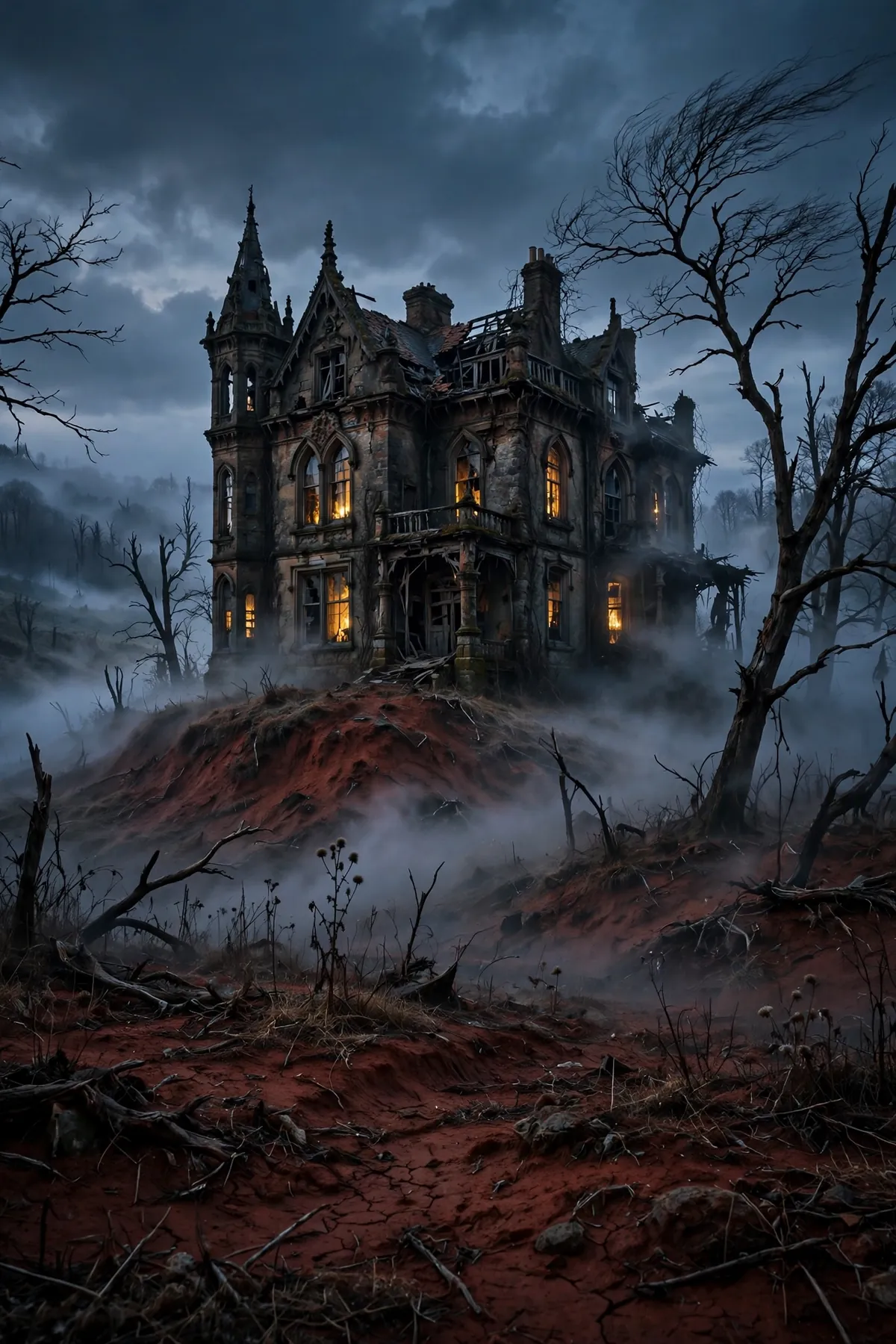
Mia Wasikowska plays a young writer who marries Tom Hiddleston’s baronet and moves into his decaying mansion, shared with his sister, played by Jessica Chastain.
Del Toro called it a gothic romance, not a horror film, and that is the right expectation. Watch for the house itself: red clay, broken roof, endless corridors.
The Ninth Gate (1999) — Directed by Roman Polanski
Johnny Depp plays a rare-book dealer hired to authenticate a book said to summon the devil, travelling between old libraries across Europe.
Slow, smoky, and built for bibliophiles. If you love marginalia and locked collections, this will feel made for you.

Harry Potter and the Prisoner of Azkaban (2004) — Directed by Alfonso Cuarón
Daniel Radcliffe returns as Harry in the third film, where Hogwarts turns rainier and more gothic, with Dementors guarding the school.
Many readers found dark academia through this film without knowing the name. It works surprisingly well as a closer for younger viewers or a family night.



A Suggested Watching Order for Your First Five Nights
Night one: Dead Poets Society. It sets the emotional language for everything that follows, and it is the easiest to love.
Night two: The Holdovers. Stay with the boarding school, but notice how much warmer and funnier the same setting can feel.
Night three: Kill Your Darlings. Move from school to university, and from inspiration to obsession.
Night four: The Talented Mr. Ripley. Now remove the safety net and watch admiration turn into envy.
Night five: Crimson Peak. Finish in the gothic wing, lights low, and decide whether you prefer this world sweet or haunted.
After those five, branch by taste. Go to Maurice and Atonement for romance, or to The Riot Club and Saltburn for privilege at its worst.
Mistakes New Viewers Make (And What to Do Instead)
Starting with the darkest title. If…. and Saltburn put off a lot of newcomers. Begin with the essentials above, then earn the extremes.
Expecting horror. Most dark academia movies are dramas with a gothic mood, not jump-scare films. Only Crimson Peak and The Ninth Gate lean fully that way.
Judging by the outfits alone. The look draws people in, but the stories are about ambition, class, grief, and belonging. Give the slower films a full sitting.
Watching in daylight with distractions. These films reward low light and a phone in another room. A hot drink and a blanket genuinely help more than any setting tweak.
Skipping the older films. Maurice from 1987 and If…. from 1968 explain where the newer titles came from. They feel less dated than you might expect.
Frequently Asked Questions
What is the best dark academia movie for beginners?
Dead Poets Society is still the safest first watch. It is emotional and clear, and The Holdovers is the best second step if you want something modern and warmer.
Are dark academia movies the same as gothic movies?
Not quite. Gothic films centre on haunted houses and the supernatural. Dark academia centres on learning and institutions, though Crimson Peak sits happily in both camps.
Which films on this list are based on books?
Several are. Maurice comes from E. M. Forster, Atonement from Ian McEwan, Jane Eyre from Charlotte Brontë, and Ripley from Patricia Highsmith.
Is Saltburn really a dark academia film?
Its first half at Oxford and its obsession with an elite world qualify it for most viewers. Others file it as a psychological thriller. Watch Ripley first and compare.
Can teenagers watch these films?
Some can. The Holdovers, Dead Poets Society, and Azkaban suit younger teens with guidance. The Dreamers, Saltburn, and Crimson Peak are for adults only.
Your Next Movie Night
Pick by mood, not by ranking. One essential, one film from the shelf that matches your evening, and you have a canon that actually fits your taste.
Keep a small notebook if you like. One line per film is enough. By the end of autumn, those notes become the best recommendation list of all: your own.